Have you resolved to travel more and to focus more on your health? You can do both by taking a holiday where you can practice the latest activity touted to benefit your mental and physical health. ‘Wild swimming’ is swimming in the open water, whether river, lake or the sea – regardless of the temperature. Swimming with the snow and ice is encouraged!
If you haven’t yet heard of the ‘wild swimming’ trend, you may be scratching your head. Isn’t ‘wild swimming’ what lots of us used to just call ‘swimming?’
Yes, but as life got ever more urban and more hotels and resorts around the world invested in more eye-catching pools with amenities like bars, pool concierges, infinity views and over-water lounge chairs… swimming in nature took an, er, dip in popularity.
Rediscovered and now dubbed ‘wild swimming,’ it’s in the same category of returning to nature and rediscovering the simple pleasures of the outdoors as the Japanese practice of ‘forest bathing’ that’s also a favorite of wellness fans.
Advocates for ‘wild swimming’ point out we should be returning to the waves and reaping some of the same mental and physical benefits as forest bathing on land.
In addition to just getting outdoors into the beauty of nature, a dip into a wild body of water, depending on whether it’s braving cold waves or a warm dip, is said to boost your mood, circulation, your body’s immunity and ability to recover and heal from injury and illness – plus it can reduce stress and high blood pressure.
And, on a spiritual level, unlike a man-made container of water, swimming in the sea lets you feel part of a body of water that’s connected with every other ocean around the world.
Cool Customer:
If you do opt into immersing yourself in quite cold sea water, there are some added benefits: it shocks your circulatory system into overdrive, and your blood flowing faster helps your inner organs, reduces muscle and joint pain and overall aches – even help with migraines.
Some Like it Hot:
On the flip side, warm water can be more relaxing, allowing you to slow down and take the time to reset with nature.
Safety First:
No matter where you’re swimming, be safe! Practice the buddy system, check for local conditions and water safety factors – things like currents - don’t swim in waters beyond your skill level, and don’t try to stay in cold water, for example, for too long and risk hypothermia. You should also confirm the health of the water before you take the plunge – avoid water with issues like pollution (ensuring you’re jumping into healthy water applies to man-made water sources, too, like pools and hot tubs.) Booking your wild swimming experience or vacation through a reputable provider is a smart move.
Where the Wild Swimmers Are:
So on-trend is ‘wild swimming,’ the new Anantara The Marker Hotel in Dublin has developed a new program to connect its guests in Ireland’s capital with the country’s rocky, wild shores of the Irish Sea as a form of exploration and therapy.
Its new ‘Wild Swimming’ experience is led by its in-house Wild Swimming Guru, and lets guests explore hidden beaches and off-the-beaten path beauty spots while engaging in a pastime that’s gained renewed interest in Ireland.
With multiple ‘wild swimming’ locations to choose from, guests are taken by private car by the hotel’s Wild Swimming Guru on a 2-hour swimming safari with views of Ireland’s cliffs, kelp forests and picturesque coast. After your restorative, rejuvenating dip, you are met with restorative flasks of hot drinks including the option for a quintessential Irish Coffee and wrapped in snuggly dry robes by a local maker.
Swimmers can opt to picnic and swim either at Vico Bathing Place where you can float under the craggy rocks of Hawk Cliff as porpoises peek above the swell; the iconic Forty Foot in Sandycove that featured in the opening scenes of James Joyce's Ulysses and hosts an icy Christmas morning swim; or White Rock – a sugary-white sandy beach offering safe bathing for families who can be seen swimming among diving terns and cormorants.
Invigorated, you can extend your wellness experience at The Marker (spa indoor pool pictured, below.)
The program at the Anantara The Marker Dublin Hotel isn’t the only place you can go ‘wild swimming.’
The world is full of natural waters begging to be part of your ‘wild swimming’ wellness journey. Scandinavian countries have long promoted the virtues of spending time in seaside saunas then jumping into the icy North Sea; Mexico’s cool cenotes, or natural swimming holes, are a refreshing contrast from its tropical heat; and Japan’s onsen, or natural (sometimes, very!) hot springs, all give you very different, but uplifting immersive natural water experiences.
START YOUR WELLNESS TRIP!
Images courtesy Anantara
All rights reserved. You are welcome to share this material from this page, but it may not be copied, re-published, broadcast, rewritten or redistributed.
by Lynn Elmhirst
on 01/11/2024
Mexico Travel Information
When planning a trip to Mexico, it is important to be aware of the visa requirements, special permissions, and other essential details to ensure a smooth and enjoyable travel experience. As travel agents working for the renowned agency "Sue Lamb," we are here to provide you with all the necessary information.
Visas and Special Permissions
For many travelers, a visa is not required to enter Mexico. However, it is crucial to check the visa requirements based on your nationality and the purpose of your visit. Here are some key points to consider:
- Visa-Free Entry: Citizens of over 60 countries, including the United States, Canada, the United Kingdom, Australia, and most European nations, do not require a visa for stays up to 180 days. This is typically applicable for tourism, business, or transit purposes.
- Tourist Card: Instead of a visa, visitors to Mexico are often required to obtain a tourist card, also known as a Forma Migratoria Multiple (FMM). This card is usually provided by airlines or at the port of entry. It allows tourists to stay in Mexico for up to 180 days and costs around $20 USD.
- Special Permissions: If you are planning to engage in activities such as working, studying, or volunteering in Mexico, you may require special permissions or visas. It is crucial to consult with the Mexican embassy or consulate in your home country to ensure compliance with the specific requirements.
Visa Extension Procedures
If you wish to extend your stay beyond the initial permitted duration, you can apply for an extension at the Instituto Nacional de Migración (National Institute of Migration) office in Mexico. Here are the key details to keep in mind:
- Timing: It is recommended to start the extension process at least 30 days before your current permission expires. This allows sufficient time for processing.
- Documentation: Prepare a valid passport, your original FMM tourist card, proof of sufficient financial means to support your extended stay, and any other documents specific to your situation (e.g., employment confirmation letter or acceptance letter from an educational institution).
- Fee: The cost of extending your stay in Mexico varies depending on the length of the extension requested. It is advisable to check the current fees with the Instituto Nacional de Migración.
Prohibited Items and Currency Restrictions
When traveling to Mexico, it is essential to be aware of the prohibited items and currency restrictions to avoid any legal issues or complications at customs and border control. Here are some key points to remember:
- Prohibited Items: Mexico has strict regulations regarding the import and export of certain items. Prohibited items include illegal drugs, firearms, ammunition, fireworks, endangered species, and counterfeit goods.
- Currency Restrictions: Mexico has regulations regarding the amount of currency you can bring into or take out of the country. Currently, the limit for both Mexican pesos (MXN) and foreign currencies is $10,000 USD or its equivalent. If you exceed this amount, you must declare it upon arrival or departure.
Requirements for Minors
If you are traveling with minors (under the age of 18) to Mexico, there are specific requirements to ensure their safety and proper documentation. The following points outline the key details:
- Traveling with Both Parents: If a minor is traveling with both parents, no further documentation is typically required. However, it is always advisable to carry a copy of the child's birth certificate or passport to avoid any complications.
- Traveling with One Parent: If a minor is traveling with only one parent, it is essential to carry a notarized letter of consent from the non-accompanying parent. This letter should include contact information, details of the trip, and consent for the child to travel with the accompanying parent.
- Traveling Alone or with a Guardian: Minors traveling alone or with a guardian, rather than their parents, may require additional documentation, such as a letter from the legal guardian or a court order granting custody.
By being aware of the visa requirements, special permissions, prohibited items, currency restrictions, and requirements for minors, you can ensure a hassle-free journey to Mexico. Remember to check the latest information from official sources and consult with the Mexican embassy or consulate in your home country for any specific inquiries. As travel agents at "Sue Lamb," we are committed to providing you with accurate information and assisting you in planning a memorable trip to Mexico.
by Sue Lamb
on 11/01/2023
Mazatlan, located on the beautiful Pacific coast of Mexico, is a vibrant and diverse city that offers a perfect blend of history, entertainment, stunning beaches, and fantastic shopping opportunities. As a travel agent working for the renowned travel agency "Sue Lamb," I am delighted to present to you a detailed list of the top 10 things to do in Mazatlan for someone who appreciates shopping, beach activities, entertainment, and history.
1. Plaza Machado
Start your exploration of Mazatlan's rich history by visiting Plaza Machado. This charming square is surrounded by colorful colonial buildings and offers a wide range of shops, restaurants, and cafes. Take a leisurely stroll, soak up the relaxed atmosphere, and enjoy shopping for local handicrafts and souvenirs.
2. Malecon
The Malecon is a must-visit attraction for beach lovers. This picturesque boardwalk stretches along the shoreline, providing breathtaking views of the ocean. Enjoy a leisurely walk, rent a bike, or grab a refreshing drink from one of the beachside stalls. Don't forget to bring your camera to capture the stunning sunsets!
3. Golden Zone
If shopping is your passion, head to the Golden Zone. Here, you'll find a myriad of shops, boutiques, and malls offering everything from local handicrafts to designer brands. Take your time to explore the various stores and bargain for unique items to take home as mementos.
4. Mazatlan Cathedral
A visit to Mazatlan would be incomplete without witnessing the beauty of Mazatlan Cathedral. This stunning architectural masterpiece dates back to the 19th century and is known for its impressive twin towers. Step inside to admire the intricate detailing and experience a moment of tranquility.
5. Stone Island
Escape the hustle and bustle of the city and head to Stone Island. This tranquil paradise offers pristine beaches, crystal-clear waters, and a range of water activities such as kayaking, snorkeling, and banana boat rides. Unwind on the beach, soak up the sun, and indulge in delicious seafood at one of the beachfront restaurants.
6. Angela Peralta Theater
For entertainment enthusiasts, a visit to the Angela Peralta Theater is a must. This historic theater hosts a variety of performances, including ballets, operas, and concerts. Check the schedule and immerse yourself in the vibrant cultural scene of Mazatlan.
7. Mazagua Water Park
If you're traveling with family or seeking some thrilling water adventures, Mazagua Water Park is the place to be. With numerous water slides, pools, and interactive areas, it guarantees a day filled with fun and laughter.
8. Mazatlan Aquarium
Discover the wonders of marine life at the Mazatlan Aquarium. This impressive facility houses a wide variety of sea creatures, including dolphins, sharks, sea lions, and tropical fish. Enjoy educational shows, interactive exhibits, and even the opportunity to swim with dolphins!
9. Olas Altas Beach
For a more laid-back beach experience, head to Olas Altas Beach. This charming stretch of sand is less crowded than other beaches in Mazatlan, offering a more serene atmosphere. Relax under a palapa, swim in the calm waters, or indulge in delicious seafood at the nearby beachfront restaurants.
10. Mazatlan's Historic District
To truly immerse yourself in Mazatlan's rich history, take a walking tour of the city's historic district. Admire the elegant architecture, visit museums like the Archaeological Museum, and learn about Mazatlan's fascinating past. Don't miss the iconic El Faro Lighthouse, offering panoramic views of the city and ocean.
When visiting Mazatlan, it is essential to be cautious of your surroundings and take standard safety precautions. It is advisable to avoid displaying expensive jewelry or carrying large amounts of cash. Additionally, it is recommended to wear comfortable clothing and footwear suitable for warm weather, as Mazatlan enjoys a tropical climate.
While exploring Mazatlan, consider partaking in other fun activities such as deep-sea fishing, taking a sunset cruise, or sampling delicious local cuisine at the vibrant street food markets. Mazatlan truly offers something for everyone, combining history, entertainment, stunning beaches, and a shopper's paradise.
by Sue Lamb
on 11/01/2023
Golf in Spain is a dream come true for any golf enthusiast! With its mild climate, stunning landscapes, and world-class golf courses, this Mediterranean country has become a top destination for golfers from all over the world. Whether you are a seasoned player or just starting to explore this sport, Spain offers a wide range of courses that cater to all skill levels. So grab your clubs and get ready to discover the beauty of golf in Spain!
Here are 5 popular golf destinations in Spain:
-
Costa del Sol
The Costa del Sol, also known as the "Costa del Golf," is a golfer's paradise. With over 70 golf courses, this region on the southern coast of Spain offers an incredible variety of playing options. From stunning championship courses to smaller and more intimate ones, Costa del Sol has something for everyone. Some of the most renowned courses include Valderrama, Finca Cortesin, and La Reserva.
-
Costa Brava
Located in northeastern Spain, Costa Brava is another popular destination for golf lovers. This region boasts breathtaking views of the Mediterranean Sea and a mild climate that allows for year-round golfing. The PGA Catalunya Resort, Empordà Golf Club, and Golf d'Aro are just a few of the exceptional courses you can find here. Don't miss the opportunity to combine your golfing experience with exploring the charming coastal towns and beautiful beaches!
-
Canary Islands
If you are looking for a unique golfing experience, head to the Canary Islands. This archipelago off the northwest coast of Africa offers a volcanic landscape and a perfect climate for golfing at any time of the year. Tenerife, Gran Canaria, and Lanzarote are home to some of the finest golf courses in Spain. Picture yourself playing surrounded by stunning natural beauty and enjoying the warm sunshine – it doesn't get much better than this!
-
Costa Blanca
The Costa Blanca, situated in the Alicante province, is a true gem for golf enthusiasts. With its beautiful beaches, crystal-clear waters, and excellent golf courses, it's no wonder this region attracts golfers from all over. La Finca Golf & Spa Resort, Las Colinas Golf & Country Club, and Villamartin Golf Club are just a few of the fantastic options available here. After your round, you can relax and indulge in the local cuisine and vibrant nightlife.
-
Mallorca
Mallorca, the largest of the Balearic Islands, offers a golfing experience in a stunning Mediterranean setting. The island is home to several top-notch courses, including Alcanada Golf Club, Son Gual Golf, and Golf Santa Ponsa. Combining golf with the island's rich cultural heritage, beautiful beaches, and delicious cuisine makes for an unforgettable vacation.
When planning your golf trip to Spain, remember to check the specific requirements of each course regarding tee times, handicap certificates, and dress codes. Some courses may have additional rules or restrictions, so it's always best to be well-informed before your round.
Make sure to tag your golfing adventures in Spain with these popular hashtags:
- #GolfSpain
- #GolfInSpain
- #GolfingParadise
- #SpanishGolfCourses
- #GolfVacation
So what are you waiting for? Pack your clubs, book your flights, and get ready to experience the joy of golf in Spain!
by Sue Lamb
on 11/02/2023
Hiking the Amalfi Coast is a dream come true for nature enthusiasts and adventure seekers. This stunning stretch of coastline in southern Italy offers breathtaking views, rugged trails, and a unique cultural experience.
Interesting Facts about Hiking the Amalfi Coast
Demographics of Hiking the Amalfi Coast
Hiking the Amalfi Coast attracts a diverse range of travelers, from adventure enthusiasts to nature lovers. The demographics of hikers on this trail vary, but some common characteristics include:
Many hikers on the Amalfi Coast trail are experienced trekkers who enjoy challenging terrains and stunning vistas. However, the trail also caters to beginners and those seeking a more leisurely hiking experience.
It is worth noting that the Amalfi Coast can be crowded during peak tourist season, so it's advisable to plan your hike during the shoulder seasons of spring and autumn for a more peaceful experience.
Sue Lamb's Assistance in Traveling to the Amalfi Coast
If you're inspired to embark on a hiking adventure along the Amalfi Coast or elsewhere, I am here to help make your travel dreams a reality. As a trusted travel consultant with years of experience, I specialize in crafting personalized itineraries that cater to your interests and preferences.
Whether you're a seasoned hiker or a novice adventurer, I can tailor your Amalfi Coast hiking experience to match your fitness level, interests, and desired level of challenge. With my expertise, you can fully immerse yourself in the beauty of the Amalfi Coast while enjoying the comfort and convenience of a well-planned trip.
So why wait? Contact Sue Lamb@Travelonly today and let me help you create unforgettable memories on your hiking journey along the Amalfi Coast!
- The Amalfi Coast is a UNESCO World Heritage Site, known for its exceptional beauty and natural landscapes.
- The hiking trails along the coast were originally ancient footpaths used by locals to access remote villages and terraced farms.
- The Path of the Gods (Sentiero degli Dei) is one of the most popular hiking trails, offering panoramic views of the coastline and surrounding mountains.
- The Amalfi Coast is home to numerous charming fishing villages, such as Positano, Amalfi, and Ravello, where hikers can rest and immerse themselves in the local culture.
- The cuisine along the Amalfi Coast is renowned for its fresh seafood, homemade pasta, and delicious limoncello.
Age Group | Percentage |
|---|
20-39 | 45% |
40-59 | 40% |
60+ | 15% |
- Expert advice on the best hiking trails, accommodations, and local attractions along the Amalfi Coast.
- Assistance in booking flights, accommodations, and transportation to ensure a seamless journey.
- Access to exclusive deals and promotions that can help you save on your travel expenses.
- 24/7 customer support throughout your trip to address any concerns or unexpected situations.
by Sue Lamb
on 11/01/2023
Most of us are pretty careful about sun exposure when we travel on beach vacations these days. It’s hats and sunscreen all the way to protect our skin from the sun’s rays. But how about protecting the ocean we love to visit from the chemicals in our sunscreens?
The rise of "reef-safe" or "reef-friendly" or “ocean-friendly” sunscreen claims has a lot of travelers puzzled about what sunscreen to pack that protects skin without harming the aquatic environment.
The Origin of Reef-Safe Sunscreens
A few years ago, Hawaii passed legislation banning sunscreen products containing oxybenzone and octinoxate. This move by one of the most famous beach destinations was prompted by research suggesting that these chemicals could harm coral reefs. Oxybenzone, also known as benzophenone-3, and octinoxate were found to slow the growth of certain coral species and prove toxic to others in laboratory tests.
Coral reefs are vital marine ecosystems, renowned for their rich biodiversity. They are home to a quarter of all marine species, supporting fish populations critical for fisheries and coastal communities, including those beach destinations we love to visit to swim, snorkel and dive.
Beyond their ecological significance, coral reefs act as natural defenses, safeguarding coastlines from erosion and storm damage. Yet, coral reefs around the world are under stress, and showing high rates of dying off.
Many sunscreen brands responded to Hawaii’s sunscreen restrictions by launching versions labeled "reef-safe." You may have seen them on store shelves when you’re prepping for a beach holiday. They typically use mineral sunscreen active ingredients like zinc oxide and titanium dioxide instead of the chemicals named in the Hawaii ban.
No Easy Solution
However, some experts note that coral reefs face multiple threats, not just from the chemicals in sunscreens. Other factors affecting the health of these vital ocean eco-systems include natural factors like storms, industrial pollution, ocean temperatures, and unsustainable fishing. That makes it challenging for researchers to pinpoint the true impact of sunscreen on reef health.
So there’s still uncertainty about sunscreens and their active ingredients for those of us who want to be conscientious travelers, and no clear solution.
What Should We Do?
Skin care experts continue to emphasize the importance of sun protection for skin cancer prevention. But even sunscreen and reef researchers hesitate to recommend mineral over chemical sunscreen products as the best way to protect your skin and save reefs at the same time.
However, many do point out that sunscreen isn’t the only solution. Using shade, protective clothing, and other barrier approaches to skin protection, especially in beach environments, is also useful, and can cut down on sunscreen use.
Rashguards with UV protection in the fabric, for example, have moved beyond surfing tournaments to everyday use for kids and adults who want to keep that sun off. They provide a physical barrier between the sun and human skin. There are plenty that are stylish, too.
And there are more and more options for mineral-only or chemical sunscreen products that exclude oxybenzone and octinoxate, the banned ingredients in Hawaii. They aren’t all expensive specialty products, either. You can find them even on drugstore shelves.
As you plan for your next beach vacation and start packing up hats and rashguards, this gives you something to think about before you stock up on more sunscreen.
Start Your Beach Vacation Trip!
Image: Getty
All rights reserved. You are welcome to share this material from this page, but it may not be copied, re-published, broadcast, rewritten or redistributed.
by Lynn Elmhirst
on 11/23/2023
They like to make a splash Down Under. So it’s no surprise the long-anticipated opening of the new W Sydney hotel overlooking Darling Harbour is “making waves.” Its eye-catching, curving architecture adds wave-inspired drama to the harbourfront in Australia’s capital. And it’s the biggest W hotel among the 5 dozen W’s around the world, including two others in Australia, in Melbourne and Brisbane.
The hot, new, 588-room destination in Sydney has already become a new architectural icon for Australia, towering over roadways to hug Darling Harbour with its landmark contemporary design.
The eclectic and adventurous approach to luxury continues inside the hotel, conceived, like other W hotels, to be a new contemporary cultural and social hub for visitors and residents of the city, while paying homage to local roots and proximity to Sydney’s marine lifestyle.
This hotel’s street-level W sign, while common to the entire chain, in this case is inspired by the Australian flower Waratah.
An illuminated vertical promenade sweeps guests up into Living Room, a vivid blue space that reinvents a traditional lobby by turning it into a social hub, complete with an electric blue circular bar and nest-like seating that reference the Australian Bowerbird.
You’ll find marine-chic in rooms and suites, with a nautical white and navy-blue palette and undulating walls that echo the sails of yachts in the marina below. Bathrooms are marine-inspired, too, in deep oceanic blue, while walk-in wardrobes feature a burst of graphic, inflorescent red and playful pink Waratah flowers.
W Sydney brings four new dining and bar venues to the city across three hotel levels:
- BTWN embraces its urban surroundings and reflects night food markets;
- 2AM: dessertbar is a late-night hotspot created in collaboration with Singaporean dessert guru Janice Wong.
- Living Room's menus embrace the hotel's location on the edge of Asiatown with a focus on Sake and Soju, as well as Asian small bites;
- 29/30 is a two-level bar with uninterrupted harbour views; and
- WET Deck (pool) level bar at the peak of the building, evokes an underwater world with coral-inspired lighting, offering casual tapas and cocktails and incredible views over the harbour as well as an open-air infinity pool with a giant jellyfish motif in glass mosaic tiles; while
- Level 30 above takes things up a notch with elevated cocktails, a menu of vintage Champagnes by the glass, and the above-sea-level décor of a superyacht.
Business or Pleasure
You’d be lucky to have a conference at Sydney’s International Convention Centre, which is just steps away, and the W Sydney itself boasts event space for meetings or weddings or parties, including a Great Room with floor-to-ceiling windows with views over Sydney.
Start Your Australia Trip!
Images courtesy of W Sydney.
All rights reserved. You are welcome to share this material from this page, but it may not be copied, re-published, broadcast, rewritten or redistributed.
by Lynn Elmhirst
on 11/09/2023
Don’t wait til spring or summer to visit Austria’s capital. Some of its most unique experiences take place during the frosty months, where one-of-a-kind local events warm your heart and reveal a side of Vienna you can’t see any other time of the year.
Viennese Christmas Markets:
Advent, the four weeks leading up to Christmas, is a magical time in Vienna, with the historic city center and shopping streets in their festive best.
The city’s most beautiful squares, streets and parks are transformed into Christmas markets, each with its own distinct atmosphere. The largest, and considered one of the most beautiful in Europe, is the Wiener Christkindlmarkt (Viennese Christmas Market), combining romance and nostalgia. There’s a popular Herzerlbaum (heart tree) for you and your sweetie to take a selfie. But there’s also lots of seasonal family fun: a Christmas world in the park with a reindeer train, a carousel as well as a nostalgic Ferris wheel and a Nativity trail, and brass band players providing a seasonal soundtrack to your holiday spirits. Strap on skates to glide through the romantically-illuminated ice rinks connected by ‘dream paths.’
Other Viennese Christmas markets include imperial flair at the Christmas Market Schloss Shonbrunn with handmade products and the baroque splendors and elegant artisan craftwork of the Christmas Village at Belvedere Palace. Other markets bring festive cheer and light shows, concerts, curling rinks, cuisine, shopping and more to gardens, the city’s gothic cathedral, and other destinations around Vienna.
New Year’s Eve:
You’ll remember your NYE in Vienna forever. You can ring in the new year with the city’s New Year’s Eve Trail, galas and concert. Some of the Christmas markets turn into New Year’s markets or Winter markets, where the festive wintry spirit continues, but musical accompaniment turns to jazz and non-Christmas arts and crafts and cuisine. A New Year’s Eve Village springs up in Maria-Theresien Square.
The highlight on December 31 is Vienna’s no-charge New Year’s Eve Trail through the city center from mid-afternoon til the wee hours the next day.Stages offer shows and music and DJ sets as dozens of restaurateurs serve punch, sparkling wine and culinary treats. Revellers who follow the New Year’s Eve Trail start dancing in the afternoon when Vienna’s dance schools transform Graben square into an open-air ballroom with waltzing classes, and continue right past midnight to the sound of Johann Strauss’ “The Blue Danube” and the ringing of the famous bell of St. Stephen’s Cathedral.
A visit to a Silvestergala (New Year’s Eve gala) offers a stylish way to bring in the New Year and an experience of elegant Viennese ball culture, with classical dancing, a party with live contemporary music, shows, a waltz to “The Blue Danube” at midnight and a multi-course gala dinner. The atmosphere and the festive setting at the New Year’s Eve gala at Vienna City Hall and at the Palais Auersperg never fail to impress.
New Year’s eve traditions are also brought to life on the stage in the musical city of Vienna: “Die Fledermaus” by Johann Strauss is on the program in the Vienna State Opera and Vienna Volksoper. The New Year’s Concert performed by the Vienna Philharmonic – the most famous classical concert in the world – takes place every year on the morning of January 1 in the Golden Hall of the Vienna Music Society.It is broadcast on TV in more than 90 countries. Viennese locals watch it too while they enjoy their hangover breakfast and some go to watch the live broadcast on Stephansplatz.
Vienna Ice World and Ball Season in the New Year:
Every year from January to March, the Vienna Ice World transforms the Rathausplatz into a one of the world’s biggest open-air ice rinks for skaters with the illuminated facade of the City Hall creating a fairy-tale backdrop while musicians accompany the skaters. Its Sky Rink features a skating terrace on the second floor with a 120-yard ramp.
Vienna celebrates the climax of the ball season during January and February. More than 450 balls take place in Vienna every year, offering over half a million guests upwards of 2,000 hours of dancing, including of course the famous Viennese waltz.
Start Your Vienna Trip!
Images copyright WienTourismus / Christian Stemper
All rights reserved. You are welcome to share this material from this page, but it may not be copied, re-published, broadcast, rewritten or redistributed.
by Lynn Elmhirst
on 09/28/2023
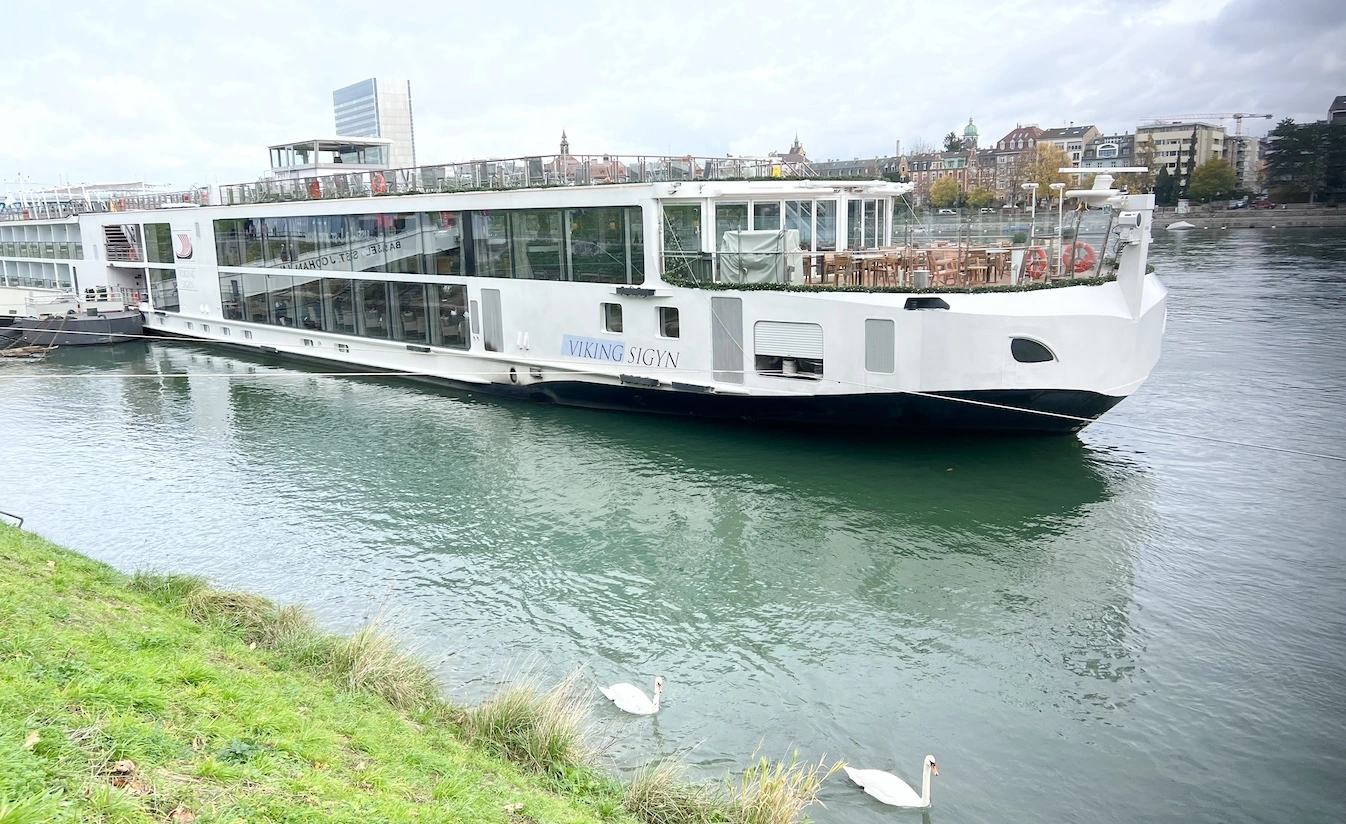
It is extraordinarily charming to cruise any of the rivers of Europe, but they call it “The Romantic Rhine” for a reason – at least three reasons! And on my most recent sailing on the Rhine on a Viking river cruise, I was reminded of why the Rhine is one of my – and many seasoned river cruisers’ – favorites.
On 'The Romantic Rhine,' you can see, taste, and listen to a perfect tapestry of Northern European culture. And a river cruise is the very best way to experience it. It’s one of the most popular river cruises for new-to-river-cruise travelers, and also one that many experienced river cruisers return to, time after time, in different seasons, including Christmas market season!
Unpack once and let your Scandinavian-style, floating boutique hotel take you to one gorgeous city, charming village or vineyard-lined landscape after another between Basel, Switzerland, through France, Germany and into the Netherlands.
Included shore excursions introduce you to people, history, culture and places in mediaeval villages in the Black Forest, glorious French towns like Strasbourg, quaint riverside towns in Germany like Koblenz or vibrant cities like Cologne, all the way to one of everyone’s favorite European cities, the Dutch capital of Amsterdam.
But the highlights of the Rhine river will always be these sights, sounds and flavors, and a cruise like our Viking Rhine River cruise the best way to take it all in:
Best Seat in the House for Castle-Gazing
40 castles in 40 miles. There's a castle or fortress, those ultimate symbols of the Middle Ages celebrated in fantasy literature, nearly every mile. That stretch known as the Middle Rhine has a higher density of castles than any other river valley in the world. Since the 19th century, it's been known as 'The Romantic Rhine' and is now a UNESCO World Heritage Site. For two millennia, the Rhine was one of the most important routes connecting Southern with Northern Europe. Castles to control the river commerce and security were built on hilltops facing the river, and now, a river cruise is really the most authentic way to immerse yourself in the Romance of some of the best historic scenery in Europe.
Tip: Travel along the Rhine by car or even train, and you’ll only see the castles on the opposite bank. Our Viking river cruise sailed right up the middle of the river, and if you position yourself in a comfy spot on the ship’s top deck lounge, you’ll have the best view of both sides of the river and won’t miss a single castle.
Wine to Taste on the Ship at your Leisure
Then you add wine. The gorges rising on either side of the Middle Rhine are lined by some of the steepest vineyards in the world. Over a thousand acres of vineyards thrive in a microclimate shaped by the river's topography (in fact, most of the wine regions of Europe are on banks lining its rivers). In other wine regions and wineries, hand-picking grapes is preserved for only elite wines. On the nose-bleed-steep banks of the Middle Rhine, handpicking is the usual – and only practical - practice. And yet the famous white wines – predominantly Rieslings, both dry and sweeter versions - of the Middle Rhine are still very affordable. Tastings are one of the best activities in the picturesque towns that line the narrow river banks.
Tip: Sign up for the wine shore excursions offered by the cruise line, and don’t hesitate to buy your favorite to take back to your Viking river cruise ship to enjoy on your stateroom balcony or on the top deck as you sail past the scenery; unlike many ocean cruise lines (at least the ones that aren’t all-inclusive) that store any wine you purchase ashore until you disembark for your journey home, Viking welcomes guests to bring their own wine back on board from winery tours to personalize your cruise experience.
Listen to a 'Murmuring Rock'
A 433-foot, steep slate rock formation on the very edge of the river bank of the Rhine River Gorge has been the source of legend for centuries. The Lorelai's name is ancient, coming from the old German word 'lureln' for 'murmuring', and the Celtic word 'ley' meaning 'rock. The combination of heavy currents swirling round the bend, a small waterfall (up until the early 19th century) and an echo effect of the rock itself amplifying those sounds made Lorelai an actual audio experience (til development and the sounds of life in modern times drowned it out.)

No wonder the myths began: dwarfs living inside the rock, a murmuring siren luring sailors onto rocks… But the story that stuck came from a poem telling the tragic lover's tale of the beautiful Lorelai being taken away to a nunnery, and, thinking she sees her lover in the Rhine below, throws herself into river to her death, where to this day, the looming rock murmurs an echo of her calls. A statue of the mythical Lorelei has been erected on the riverbank nearby which keen eyes can also spot as you sail past.
Tip: pay homage to the Rhine's 'murmuring rock' by adding the compositions by Schumann, Mendelssohn or Strauss that immortalize Lorelai in music to your playlist to listen to on your magnificent Romantic Rhine river cruise.
Start your European River Cruise Trip!
Images: Lynn Elmhirst
All rights reserved. You are welcome to share this material from this page, but it may not be copied, re-published, broadcast, rewritten or redistributed.
by Lynn Elmhirst
on 09/14/2023
New Zealand consists of two main islands, the North Island and the South Island, and whether you call yourself a nature lover, adrenaline junkie, foodie, wine or culture aficionado, you’ll find reasons to visit both.
North Island
While New Zealand’s North Island is the smaller of the two islands, it has more people and the country’s major cosmopolitan cities, including the capital, Wellington, as well as Auckland.
New Zealand’s famous wine scene is ripe on the North Island, and you don’t even have to venture far from the country’s largest city to start wine tours and tastings. Several wine-growing areas producing premium red wines and Chardonnay surround Auckland. Other wine regions cluster on the island’s east coast, producing a number of both red and white wines.
The North Island’s home to a population overall as well as a higher proportion of New Zealand’s Maori people, so it’s where you’ll find opportunities to experience Indigenous culture, including performances, hangi feasts and village tours.
The North Island is also known for natural wonders, many related to its volcanic activity, including landscapes punctuated by hot springs and geysers that provide dramatic hiking opportunities. Don’t miss the North Island’s longest river or its beautiful beaches, and the country’s rich sailing culture, black water rafting and other marine pursuits.
And film buffs can visit Hobbiton, the film set of the Shire from the 'Lord of the Rings' and 'The Hobbit' trilogies.
South Island
Larger in area, New Zealand’s South Island has fewer people, although it has well-known cities including Christchurch, Dunedin and Queenstown.
If you recognize the name of Queenstown, maybe it’s because of the town’s reputation as New Zealand’s – and one of the world’s capitals of adventure tourism. This is where bungee jumping originated in 1988, and today, beyond bungee jumping, Queenstown offers thrill-seekers skydiving, paragliding, heli-skiing, mountain biking, zip-lining, jet boating, white-water rafting in the summer.
The South Island is cooler and damper than the North Island, also offering adventurous visitors skiing and snowboarding in the winter, as well as famously picturesque landscapes, including the Southern Alps and New Zealand's highest peak.
In the island’s spectacular fjords, most notably Milford Sound, intrepid travelers can cruise or kayak surrounded by sheer cliffs and waterfalls.
You can take one of the world’s most scenic train journeys or drive the Great Coast Road to experience rugged coastlines and lush rainforests.
Or slow down to immerse yourself in the South Island’s agricultural settings, especially wine country: Oenophiles also have a rich wine scene to taste their way through in the South Island. Marlborough, at the northeastern tip of the island, is the country's largest wine-producing region, and especially famous for the varietal that put New Zealand on the map: Sauvignon Blanc. Other regions like Central Otago, Canterbury and the Waipara Valley, are known for pinot noir, and also produce other varietals.
On either island, you never have to look far for culinary experiences; farms on both islands produce New Zealand’s famous agricultural products, including signature local foods kiwi fruit and sheep, that feed a dedicated gastronomic culture throughout New Zealand.
Start Your New Zealand Trip!
All rights reserved. You are welcome to share this material from this page, but it may not be copied, re-published, broadcast, rewritten or redistributed.
by Lynn Elmhirst
on 08/24/2023




 Sue Lamb